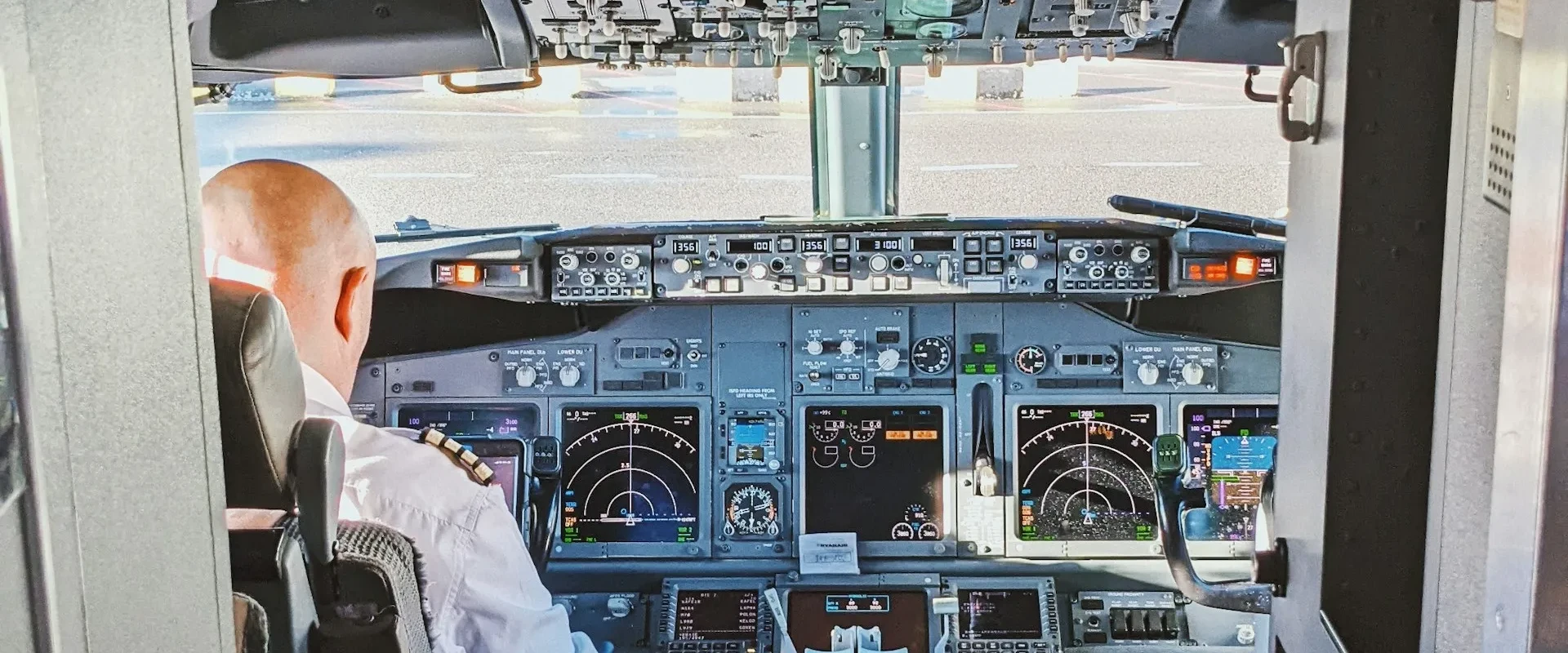
What is Corporate Aviation?
Corporate aviation refers to business flying operations where companies own or lease aircraft for executive transportation, client services, and business purposes. Unlike commercial airlines that fly scheduled routes for paying passengers, corporate pilots fly company executives, clients, and employees on-demand to business destinations worldwide.
The corporate aviation sector includes Fortune 500 flight departments, privately-owned business jets, fractional ownership programs like NetJets and Flexjet, and charter operations serving business clients. Aircraft range from light jets like Citation CJ series to ultra-long-range jets like Gulfstream G650 and Bombardier Global series.
Corporate pilots typically work for single companies (Part 91 operations) or management companies operating multiple aircraft. The role combines professional flying with customer service, requiring pilots to interact directly with high-level executives, maintain aircraft appearance, handle catering coordination, and ensure seamless travel experiences.
Why Choose Corporate Aviation?
Lifestyle Advantages
- Home most nights with family
- Flexible scheduling possible
- Fewer total days away from home
- Varied and interesting destinations
- Smaller crew environment
- More control over career
- Direct passenger interaction
- Less regimented operations
Professional Benefits
- Fly latest technology aircraft
- International operations common
- Higher decision-making authority
- Close-knit professional teams
- Excellent benefits packages
- Company culture matters more
- Opportunity for advancement
- Less automation dependency
Corporate vs Airlines Comparison
Corporate aviation offers superior lifestyle with more time at home, flexible schedules, and varied flying. Airlines provide higher total compensation at major carriers, better career progression structure, and more schedule predictability through seniority bidding. Many pilots prefer corporate quality of life despite potentially lower peak earnings compared to senior airline captains.
Corporate Pilot Salary & Compensation
Salary by Experience Level
Standard Benefits
- Comprehensive health insurance
- 401(k) with company match
- Life insurance coverage
- Paid vacation (3-4 weeks)
- Professional development budget
- Type rating training paid
- Company car or allowance
Additional Perks
- Performance bonuses common
- Per diem for overnights
- First class hotels on trips
- Cell phone reimbursement
- Uniform allowance
- Crew meals provided
- Travel to exotic destinations
Corporate Aircraft Categories
Light Jets
6-8 passengers, 1,500-2,500 nm range
Category Details
Mid-Size Jets
7-9 passengers, 2,500-3,500 nm range
Category Details
Large Cabin Jets
10-16 passengers, 4,000-7,500 nm range
Category Details
Requirements for Corporate Pilot Jobs
Minimum Qualifications
- Commercial or ATP certificate with multi-engine rating
- 1,500-3,000+ total flight hours (varies by company and aircraft)
- 500-1,000+ multi-engine hours
- 100+ hours turbine or jet time (preferred)
- First-class FAA medical certificate
- Clean safety record and background check
- Valid passport for international operations
- Professional appearance and communication skills
Preferred Qualifications
Education: Bachelor's degree preferred by many companies, especially Fortune 500 flight departments.
Type Ratings: Current type rating in company aircraft highly valuable. Many companies provide training.
Experience: Part 135 charter background, international operations, customer service experience, and crew resource management training valued highly.
Soft Skills Requirements
- Professional demeanor with executives and clients
- Strong communication and interpersonal abilities
- Problem-solving skills and decision-making under pressure
- Flexibility with scheduling and last-minute changes
- Attention to detail in aircraft presentation
- Team player mentality with small crews
- Discretion and confidentiality with passenger information
Career Path to Corporate Aviation
Breaking into corporate aviation requires strategic planning and building the right experience. Most corporate pilots transition from flight instruction, Part 135 charter operations, or regional airlines. The path typically takes 3-7 years from commercial license to first corporate position.
Build Foundation Hours
CFI or Part 135 cargo to build 1,500+ hours. Focus on multi-engine time and instrument proficiency.
Gain Turbine Experience
Charter operations or regional airline. Build 500+ turbine hours and jet experience if possible.
Network and Apply
Join professional organizations, attend NBAA, work with recruiters. Apply to entry corporate positions.
First Corporate Position
Entry SIC role on light or mid-size jet. Company provides type rating training. Build hours and reputation.
Upgrade to Captain
PIC on company aircraft or move to larger jet. Significant salary increase and responsibility.
Senior Positions
Chief Pilot, Director of Operations, or captain on ultra-long-range jets. Peak compensation.
Corporate Pilot Lifestyle and Schedule
Typical Schedule Patterns
Corporate pilots typically work on-call or scheduled duty periods. Common patterns include 7 days on/7 days off, 14 days on/14 days off, or floating schedules based on owner travel. Most positions require 200-400 flight hours annually, far less than airline pilots.
Home basing is standard—pilots live where they want and commute to aircraft base only when flying. Many fly 8-15 days per month with significant time at home. Last-minute changes common but usually with advance notice. International trips may require multi-day absences.
Quality of Life Benefits
- Home most nights with family
- Flexible time off between trips
- No commuting to crew bases
- Interesting destinations
- Excellent hotels on layovers
- Smaller crew camaraderie
- Less rigid operations
Lifestyle Challenges
- On-call requirements common
- Last-minute schedule changes
- Holiday and weekend flying
- Extended international trips
- Customer service expectations
- Aircraft cleaning duties
- Less predictable patterns
How to Get Hired in Corporate Aviation
Networking
- Join NBAA membership
- Attend aviation job fairs
- Connect on LinkedIn
- Visit FBOs regularly
- Join pilot associations
Job Search
- Work with recruiters
- Check NBAA careers
- Monitor JSfirm.com
- Company websites direct
- Charter to corporate path
Interview Prep
- Professional appearance
- Study aircraft systems
- Prepare scenarios
- Emphasize service
- Show flexibility
Key Hiring Factors
Corporate aviation values personality fit as much as flight experience. Companies seek pilots who represent their brand professionally, handle high-level passengers gracefully, show flexibility with scheduling, and integrate well with small teams. Clean appearance, strong communication skills, and service-oriented mindset often outweigh extra flight hours. Building relationships in the industry through networking proves more valuable than online applications alone.
Your Path to Corporate Aviation
Corporate aviation offers an exceptional career path for pilots seeking better lifestyle, varied flying, and direct interaction with passengers. While requiring patience to build necessary qualifications and break into the industry, the rewards of flexible schedules, excellent compensation, and professional satisfaction make it highly desirable. Focus on building quality multi-engine and turbine time, network extensively within the business aviation community, and maintain the highest professional standards. With persistence and the right approach, corporate flying provides a fulfilling long-term aviation career with superior work-life balance.